

Roots and Bridges
2027 guatemala
There’s a whole lot of healing already happening
Walk with Indigenous leaders moving their communities forward — and reconnect with your own resilience as a healer.
“Heart and genuine care and concern. That's how I'd best describe the experience. The Barefoot model is about truly looking to heal the community. They move with intention and thoughtfulness. They listen and adjust. They go abroad to teach and learn with other cultures.”
— Rocky Linde, Life Coach
Roots & Bridges ’26
Healing happening. Being Barefoot. Getting grounded.
Barefoot service-learning and hands-on cross-cultural immersion
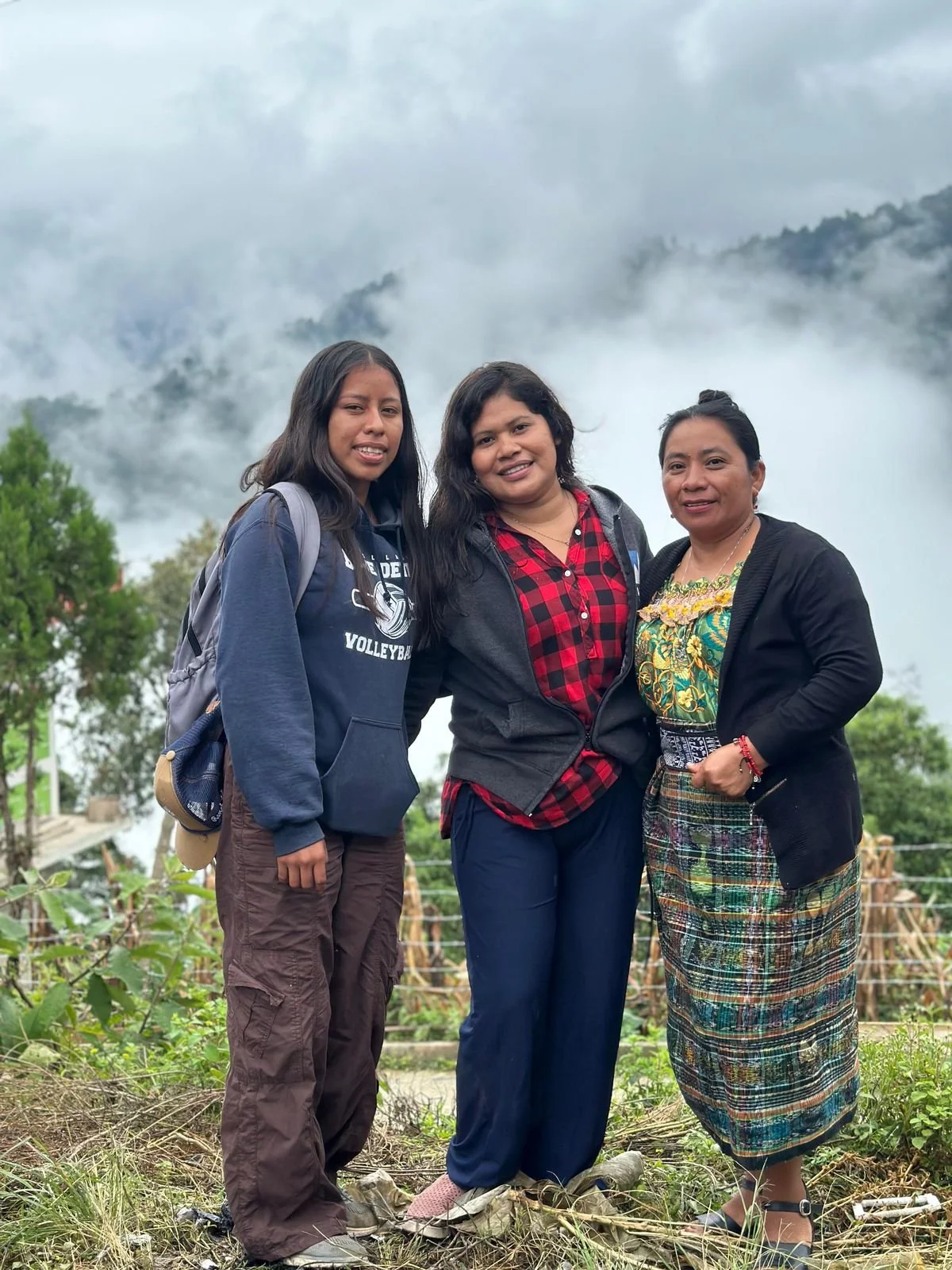
Indigenous leaders in Guatemala invite you into a grounded, real-world experience — not theory, not tourism, and not saviorism.
You’ll join grassroots projects where healing is already underway, walking with the people doing the everyday work of resilience and dignity, and reconnecting with your own grounding and capacity as a healer.
This is not just a training.
It’s a chance to slow down, listen, and be changed by the communities who carry this work forward.
You’ll have the chance to do your own healing, while walking with the everyday heroes struggling for the dignity of their communities in the Guatemala, from indigenous projects in the highlands to the urban heroes in the capital.
to the roots of
barefoot medicine in Guatemala
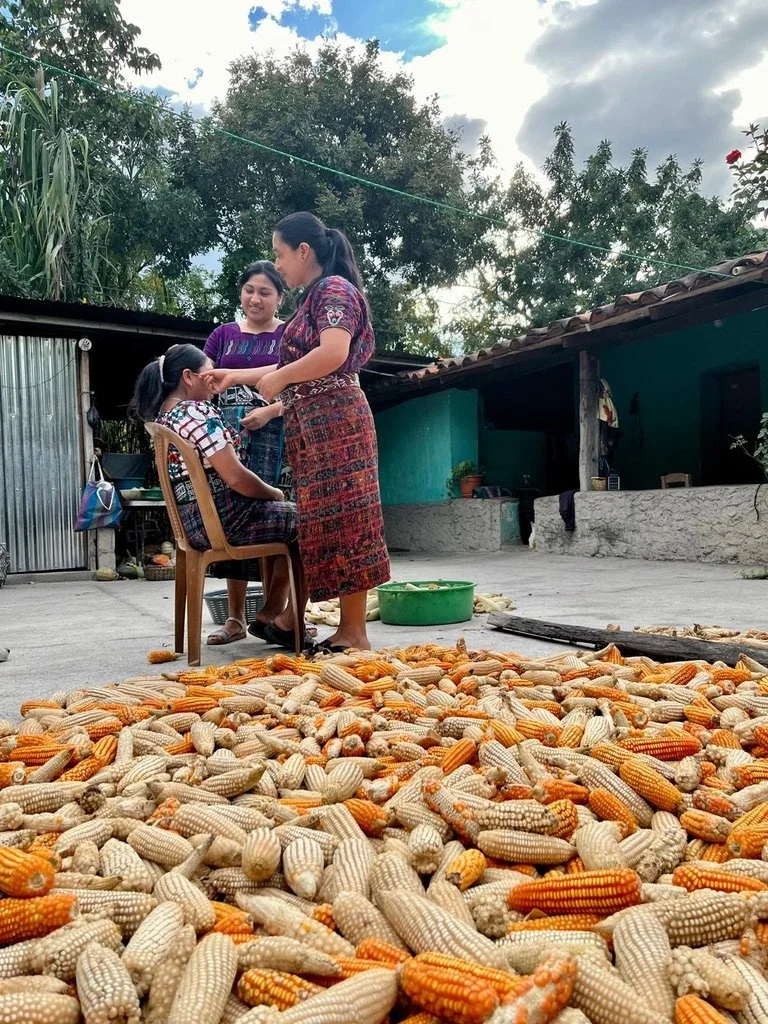
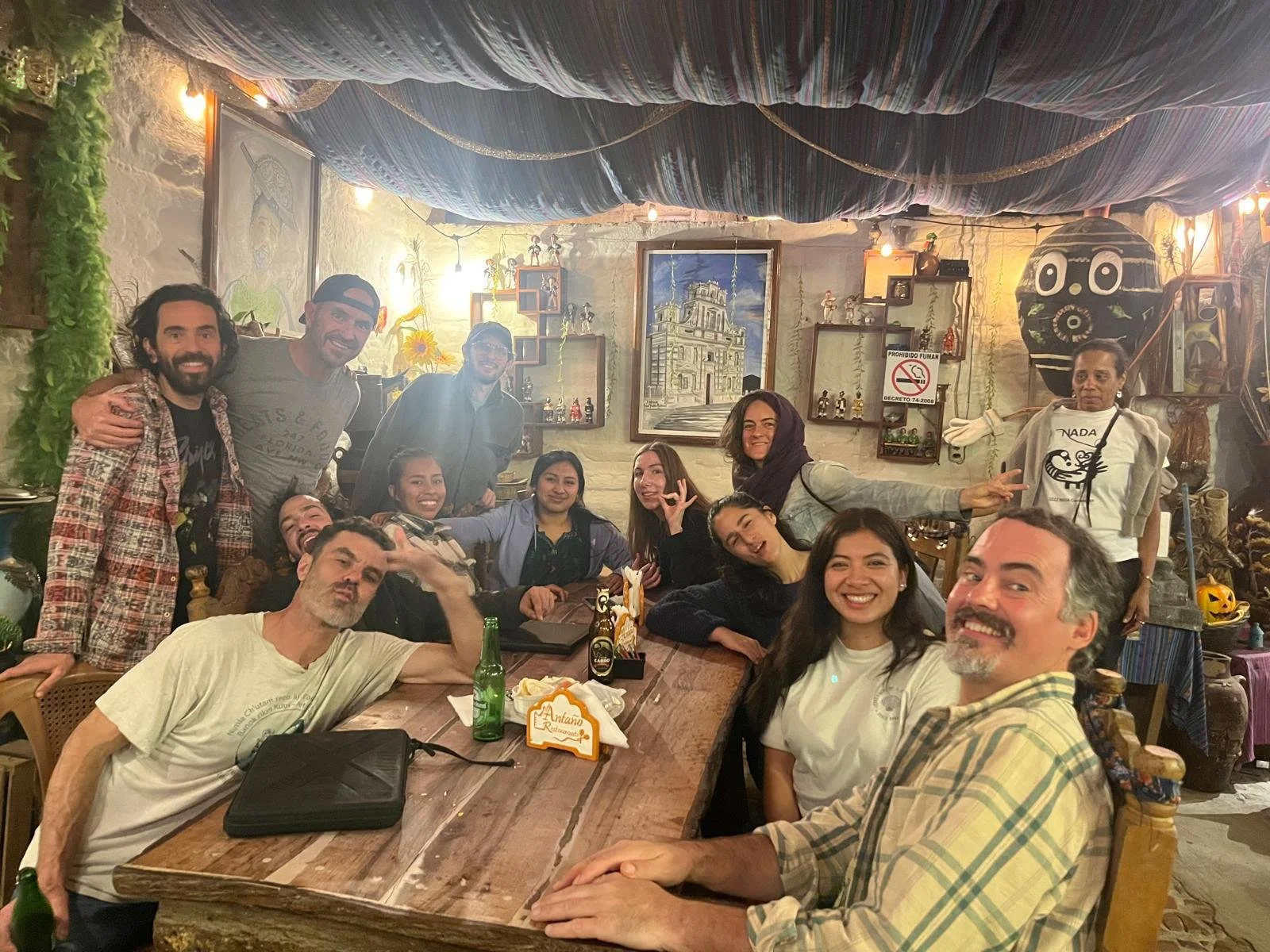
In 1978, a doctor taught local Mayan youth in Guatemala how to use acupuncture needles. Years later, death squads forced many to flee into the forest, taking their needles with them.
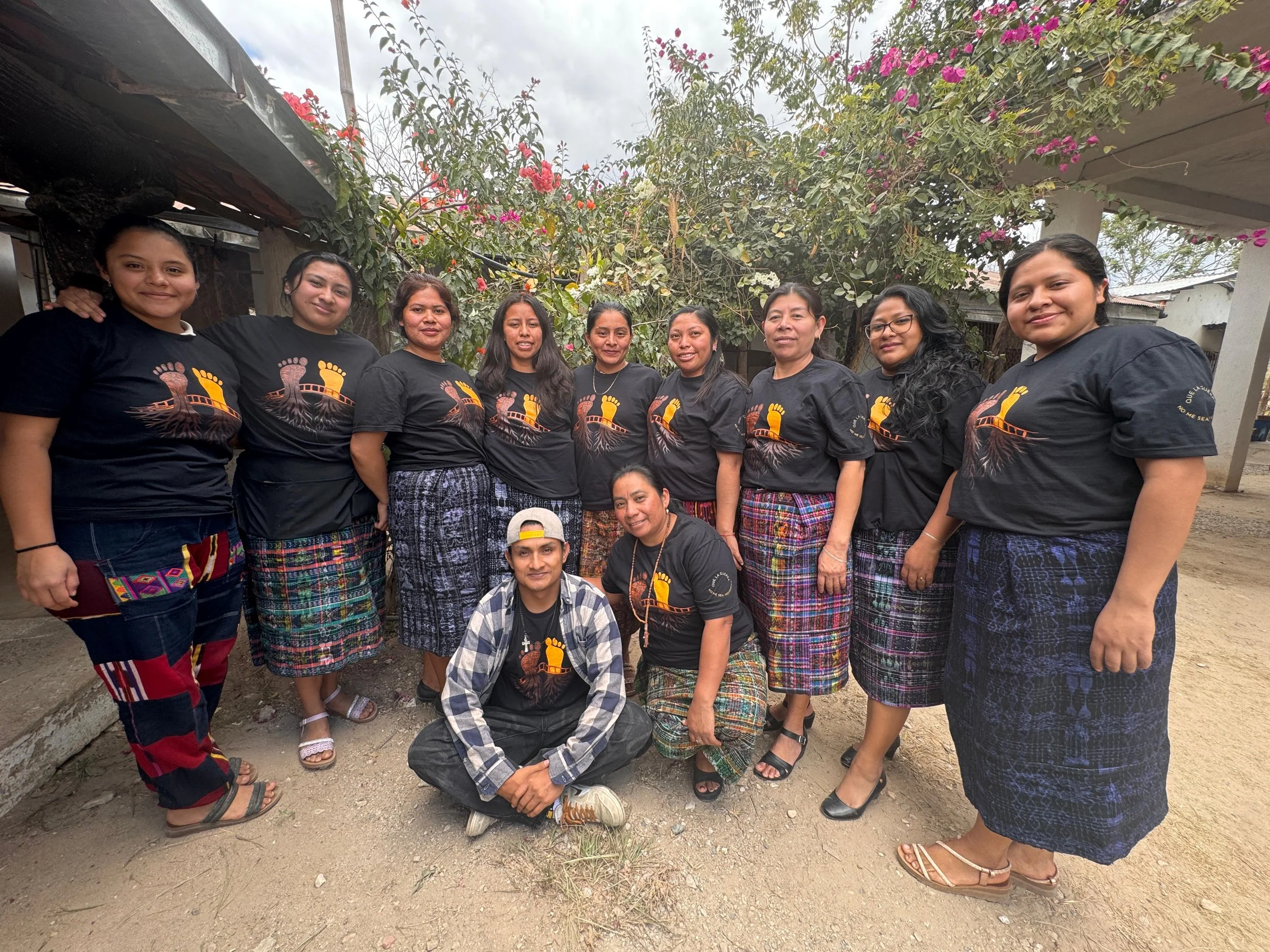
Roots and Bridges traces the roots of the Barefoot movement in the Americas to the Rio Negro region of Guatemala, where you’ll get hear first hand about their heroic struggle and partner with them as they continue to aid survivors of the genocide.
join our waitlist:
Roots and Bridges 2027
An immersion into trauma healing in Guatemala
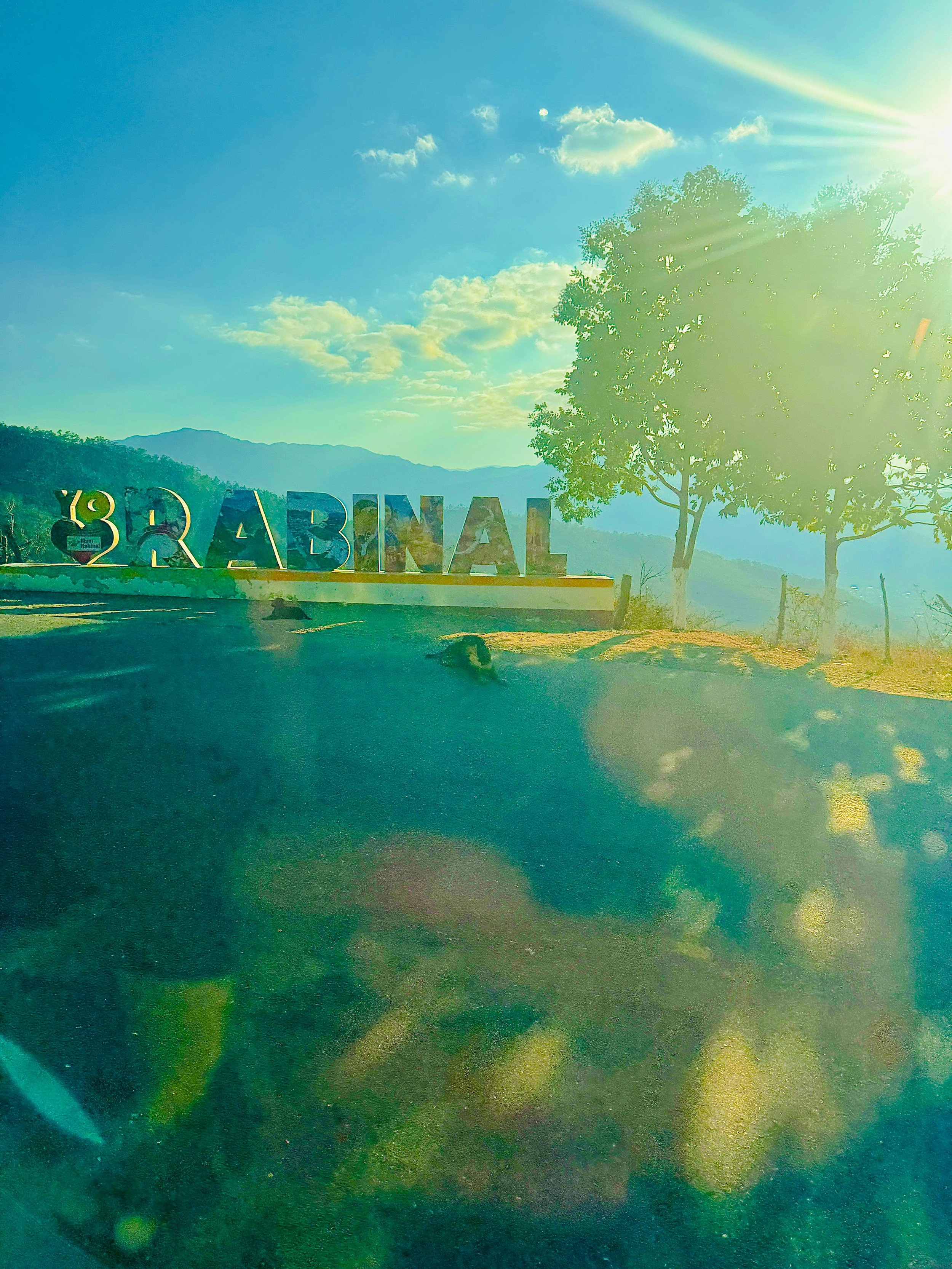
“barefoot acupuncture has strengthened my knowledge, grow as a promoter, and provide better service to my community, my people, and the entire region. I am also inspired to share this learning with others so they can continue practicing and spreading this medicine, because there is a great need for care and well-being throughout the world.”
-Aurelia Xitumul, Assistant Barefoot Teacher, Rabinal, Guatemala
Be a part of our vision for the world
Where people have the tools and capacity to heal themselves and their communities.

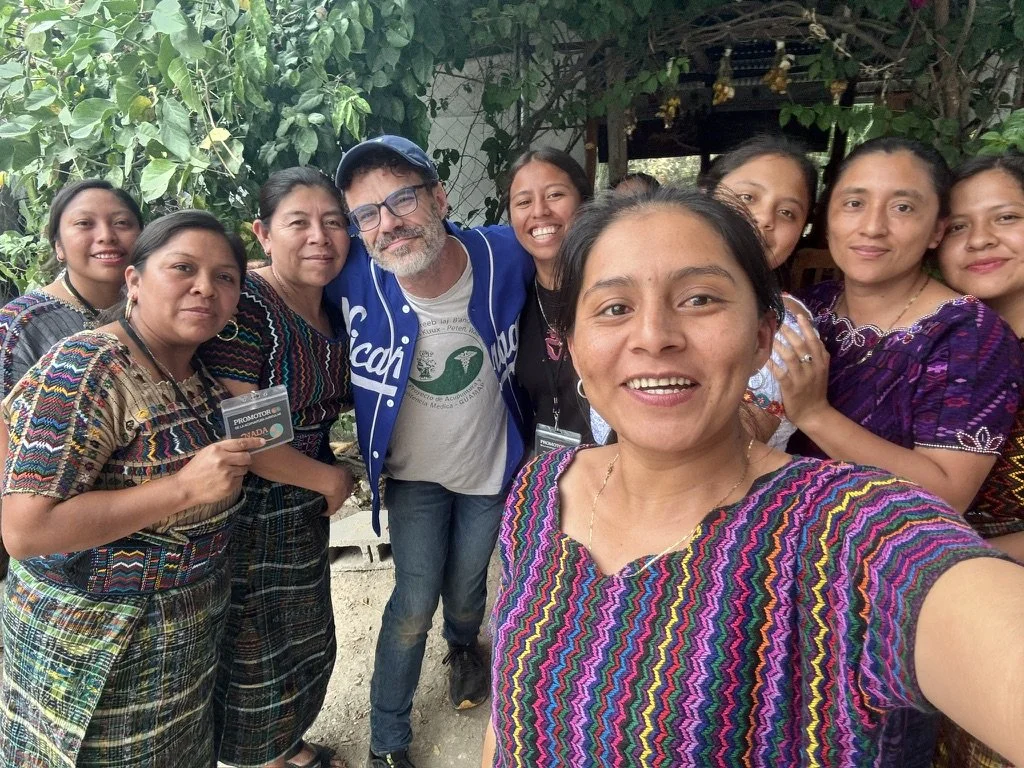

“Our team has participated in Crossroads’ Barefoot Acupuncture trainings, and the knowledge and skills we gained have strengthened our community health program. We are now able to offer more holistic, culturally respectful care that has benefited many people.”
-Josselin Chun
Director, Barefoot Health Promoters Guatemala
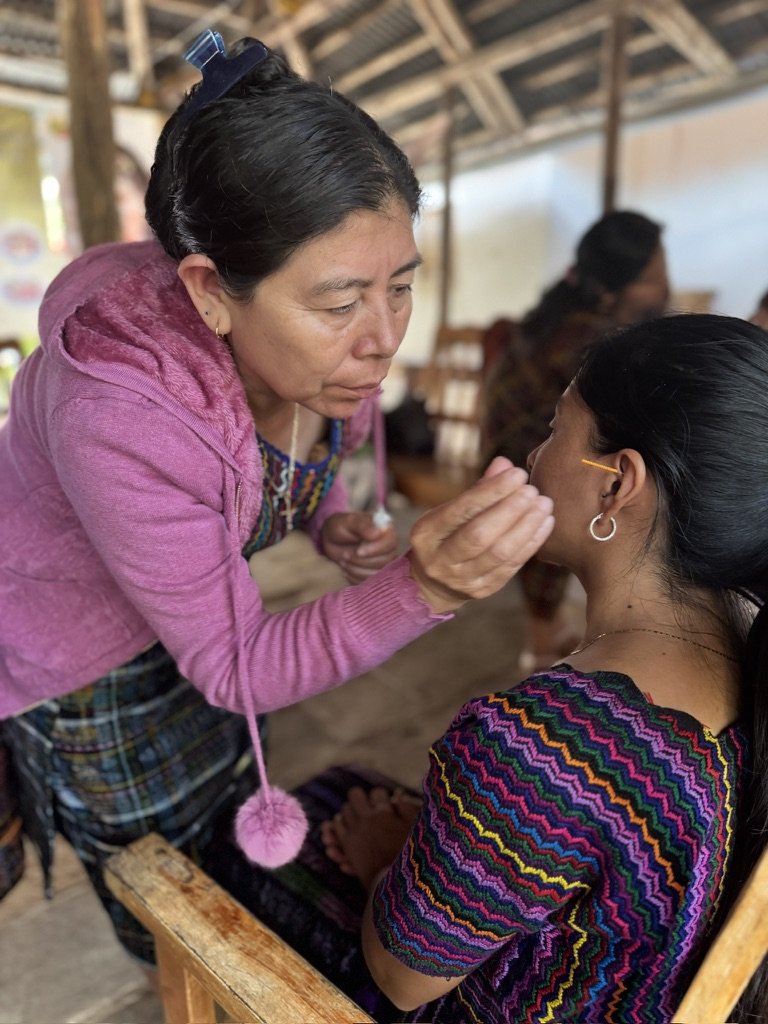
Global Solidarity & indigenous Wisdom
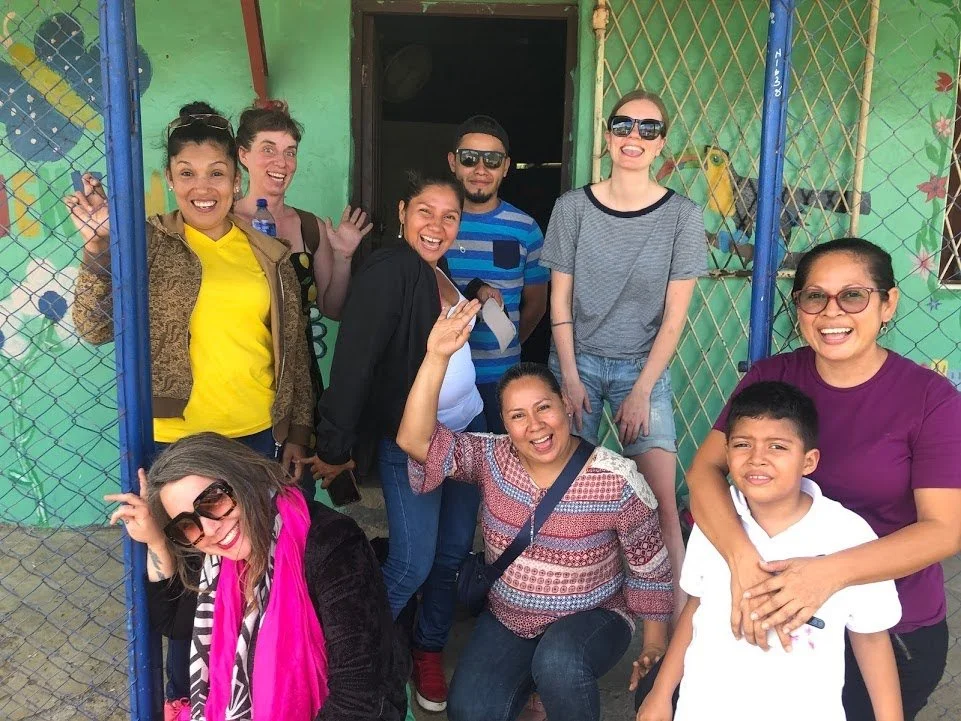
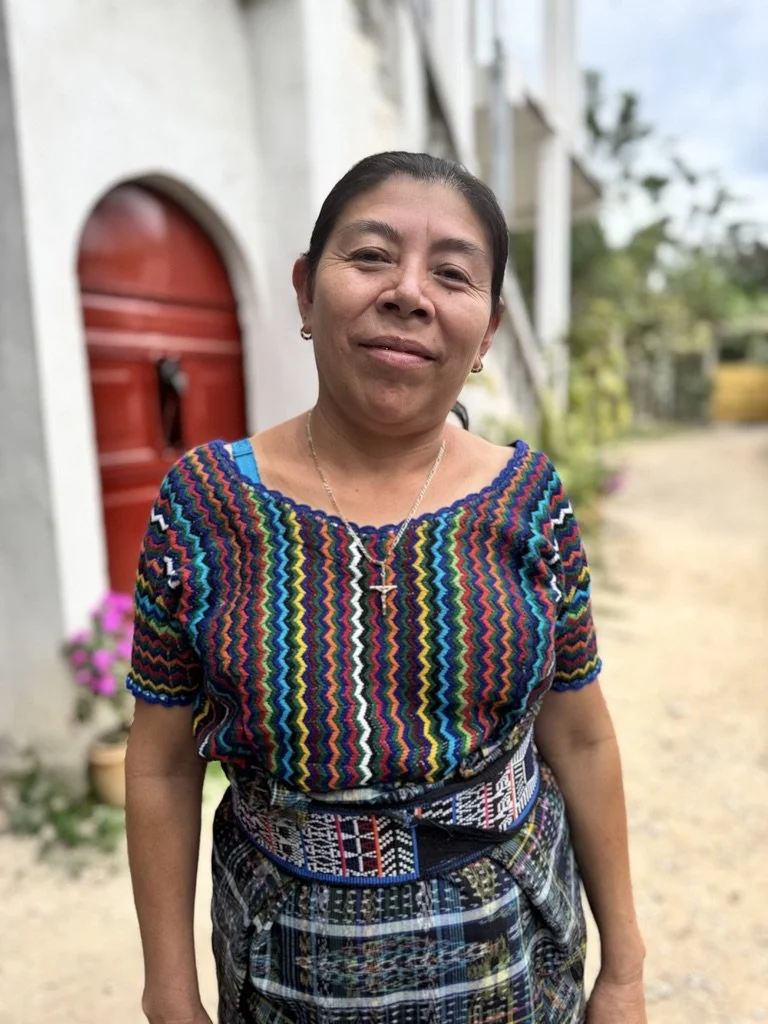
You’ll build meaningful relationships with our Barefoot Health Promoters serving some of the most vulnerable groups in the Americas. You will dive deep into indigenous traditions of resilience, trauma-informed care, and nonviolence. If you want to learn how to cultivate sustainable grassroots health projects, and/or apprentice with Crossroads, this immersion is for you.
Daily Practices for Embodied Healing
You’ll learn mind-body practices to support your personal healing journey.
You’ll leave with simple, trauma-informed tools you can carry forward in your life and work.



FAQ’s
-
🌄 Sample Daily Schedule – Roots & Bridges Immersion
(Subject to variation by day)
7:00–8:00 AM – Morning Meditation & Mind-Body Practice
Begin the day with grounding practices such as meditation, yoga, qigong, breathwork, or guided embodiment sessions led by facilitators and guest healers.8:00–9:00 AM – Nourishing Breakfast
Enjoy a locally sourced, communal meal with time for informal connection, reflection, and preparing for the day’s work.9:00–12:30 PM – Core Workshop Sessions
Interactive, hands-on learning focused on:Foundations of trauma-informed grassroots healing
Introduction to the NADA protocol, Barefoot Acupuncture, and somatic release work
Additional frameworks and practices for collective and individual healing
Practice of basic acupuncture, acupressure, and ear seed techniques
Group dialogue, case studies, and integrative discussions
12:30–2:00 PM – Lunch & Rest Time
Shared lunch followed by space for rest, journaling, hammock time, or quiet personal reflection.2:00–4:30 PM – Outreach & Cultural Exchange
Service-based experiential learning including:Volunteering in local wellness spaces or community centers
Participating in intercultural dialogue circles
Listening sessions with elders, healers, or community organizers
Visits to grassroots projects focused on justice, healing, and resilience
4:30–6:30 PM – Integration & Open Time
Unstructured time to rest or choose from:Supervised clinical practice or mentoring
Somatic journaling or integration exercises
Nature immersion, swimming, or contemplative time in silence
6:30–7:30 PM – Dinner
A communal meal shared in gratitude, featuring regional ingredients and space for connection.7:30–9:00 PM – Cultural Immersion & Community Ritual
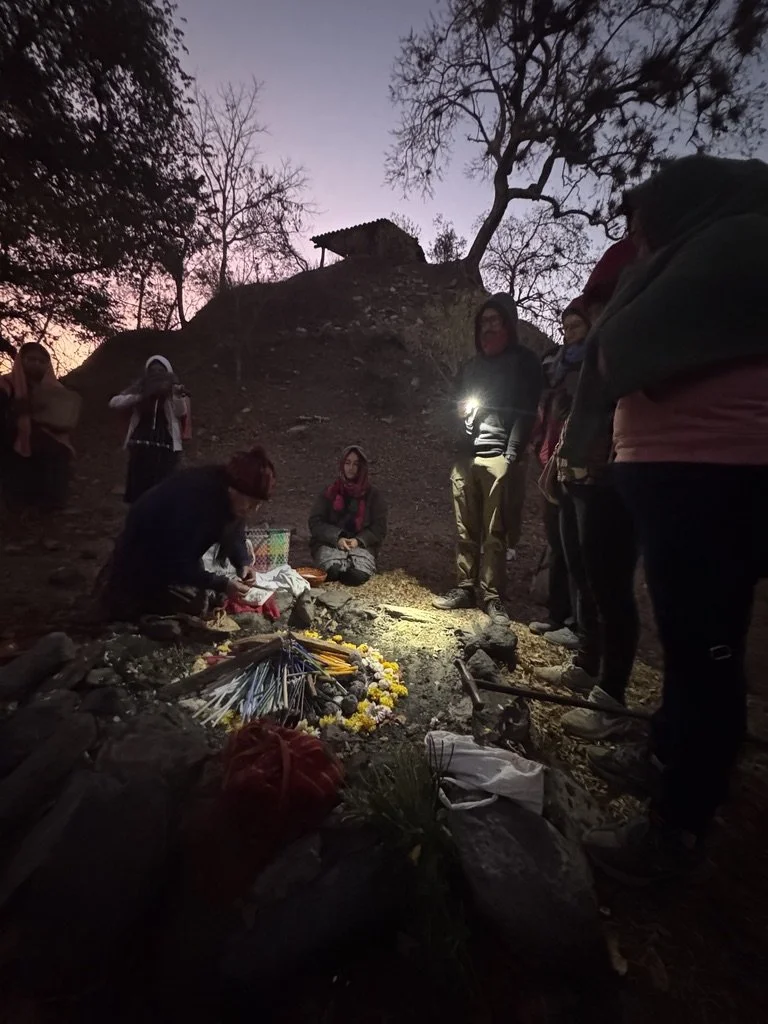
Evening activities may include:Temazcal (traditional sweat lodge ceremony)
Fire circles, music, or storytelling nights
Guest presentations from indigenous leaders or local wisdom-keepers
Silent meditation or community ritual closure
-
✅ Harm reduction, recovery, or community health workers (New Mexico-based or international)
✅ Nurses, doctors, acupuncturists
✅ Acupuncture/Acudetox educators and providers hands-on experience with Community Acupuncture and the NADA protocol
✅ Community organizers and social entrepreneurs working in trauma recovery or public health
✅ Students or practitioners seeking hands-on experience in grassroots and global health settings -
email all application materials to crossroads@gmail.com
✅ 1000 + word essay about why you’re interested in this work, any experience you have working in overseas and/or community projects and what you hope to contribute to our cohort of students and the communities we serve.
✅ Resume resume outlining your relevant international and community health experience, all the licenses and certifications you hold as a health provider (including your license #), and at least one professional reference.
✅ Please include where in the world you live and work.
✅ We will notify you within 1 week if you have been accepted, after which you will need to pay your deposit within a week after you have been accepted
-
Ryan Bemis, DOM is the co-founder and director of Crossroads Community Supported Healthcare and the Barefoot Acupuncture Movement. He teaches meditation, somatic release work, Barefoot acupuncture and Acudetox in jails, shelters, rehab programs, harm reduction and humanitarian aid settings. He is a licensed Doctor of Oriental Medicine, Internationally Certified Heroic Coach, and TRE provider.
James Daria, PhD is a cultural anthropologist at Spellman University working on issues of labor and migration in the global food and healthcare system. His work is centered on modern slavery, exploitation, and the labor and human rights of migrant farmworkers in North and Central America. Also certified in the NADA protocol, Dr. Daria combines teaching, research, and activism to make academic knowledge accessible to the general public, as well as to his collaborators in the field. -
Rooted in Experience
-
Build meaningful relationships with local indigenous leaders and fellow participants—grounded in mutual respect, learning, and solidarity.
-
Train with Dr. Ryan Bemis and the Barefoot Acupuncture Movement in trauma-informed care and somatic release work, as practiced in recovery centers, global health, refugee care and disaster relief settings. Educators welcome to gain real-world teaching experience at the grassroots level. You’ll get to dive into 6 webinars around Barefoot medicine, NADA protocol, Community acupuncture and trauma-informed care. In addition, you will receive one 60 minute Resilience Coaching or Consultation with Dr. Ryan Bemis to support your vision and work around trauma-informed care.
-
Explore Somatic Release techniques, including TRE (Tension & Trauma Releasing Exercises), Qi Gong, and discover how to integrate them into community-based care as well as into private practice acupuncture and trauma therapy.
-
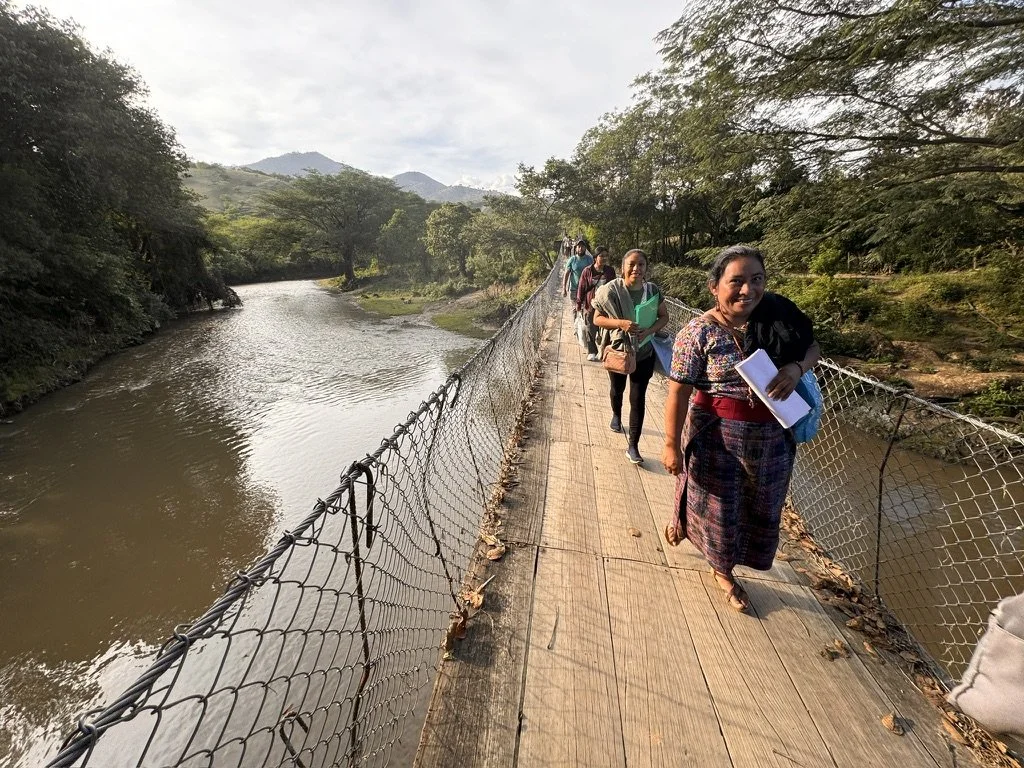
Partner with indigenous community health workers supporting survivors of genocide and underserved populations in the Guatemalan Highlands. Learn from their stories, resilience, and ancestral healing practices.
-
We’ll be tapping into our inner resilience with meditation, qi gong, breathwork, yoga, and acupuncture—for you to take with you on your personal healing while learning to also apply these tools in community healthcare settings. You’ll receive one 60 minute individualized Resilience Coaching Session, as well, to support your healing journey.
-
Explore the history of community-based acupuncture in Latin America, from its origins in the 1970s amidst civil war to its role today in global health. Meet the heroes in Guatemala who have carried this tradition forward—using acupuncture as a tool for survival, resilience, and grassroots empowerment. We will learn how they have—and how we can—use simple, accessible mind-body technologies to respond to violence and trauma in our world today.

“Our problems connect us with others out in the world. Service to others is helpful and part of becoming a better and a healthier person.”
—Ryan Bemis, Roots and Bridges Barefoot Teacher, Interview with Culturs Magazine
Is Roots and bridges a good fit for you or your team?
“I walked away from their week long immersion with a new set of skills and with a deeper understanding of trauma-informed care as holistic treatment.”
-Samuel Lozoff, Immersion Participant, 2026
Stories of Barefoot acupuncture integrated into local healthcare
15 immersions in 15 years…Over 650 students….150,000 treatment….6 countries….a
nd moving forward with hope as we work to “care” it forward toward a million tiny needles


Support barefoot acupuncture in Guatemala
Consider donating to support the work of everyday people aiding survivors of trauma, violence and poverty in Guatemala.
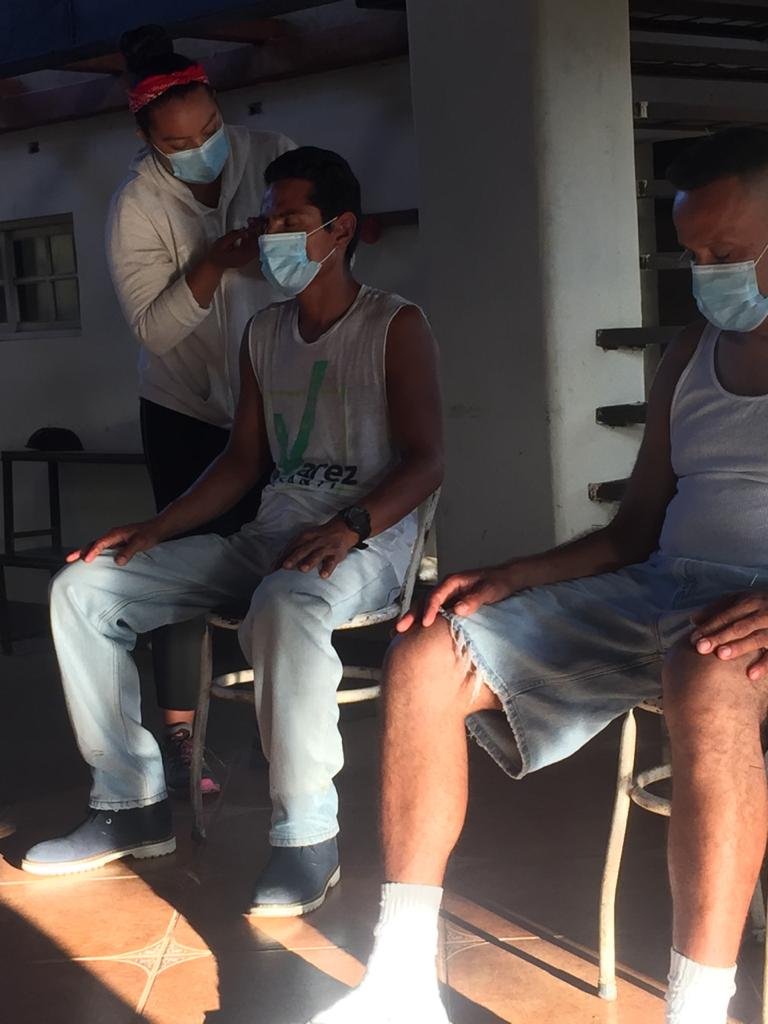
*video showing is from our barefoot project in Cd Juarez, Mexico
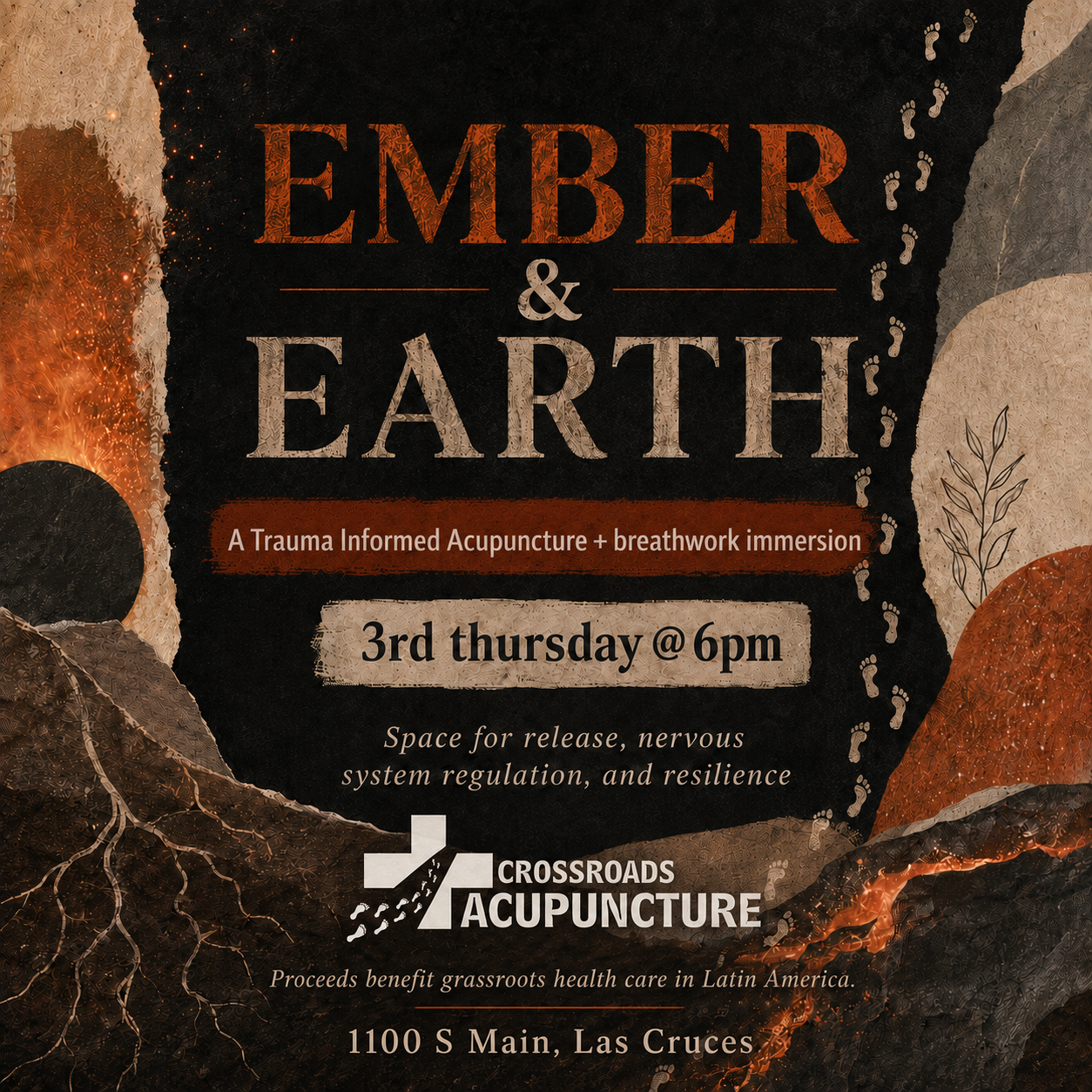
Affordable monthly workshops
-
Come drop into a space of resilience, release, and restoration.In this monthly workshop, you’ll experience the transformation of our trauma-informed breathwork followed by acupuncture to help you let go of stress, let go of old patterns, and reconnect with yourself in a deeper way. This is an opportunity to slow down, breathe, feel, and rest — so you can leave more grounded, open, and renewed.
We’ll begin with guided meditation, continue with a somatic breathwork experience, and close with a restorative acupuncture integration led by Ryan Bemis, Doctor of Oriental Medicine.
Suggested donation: $50 or more
This fundraiser supports Crossroads Acupuncture’s nonprofit grassroots work with community health promoters and survivors of trauma in Guatemala and Latin America.Please bring: warm clothes, an eye mask, a blanket, and a notebook/pen.
-
Un encuentro mensual en español para calmar el estrés, recuperar el equilibrio y aprender herramientas prácticas de autocuidado. Exploraremos acupresión, tapping, prácticas somáticas y la sabiduría de los Cinco Elementos y la Medicina China.
Roots in stillness,
bridges of trust:
the heart of our Barefoot Movement
building bridges of solidarity
Through shared stories and hands-on experience, you’ll gain a deeper understanding of how grassroots healing unfolds in communities responding to trauma, systemic violence, and historical injustice—and how you, too, can be part of this living legacy.
Trace the Barefoot Acupuncture’s beginnings in Ciudad Juarez, Mexico, and trace their journey toward a million tiny daggers — led by the women, community healers, and everyday people who make this movement possible.